Ngôn ngữ lập trình Java · Phần 47/62
Java collections framework: Iterator interface và ListIterator interface
1. Iterator interface trong Java Iterator interface của Java collections framework cho phép chúng ta truy...
Kết quả sẽ mở trong tab mới, giới hạn trong website này.
Truy cập nhanh
Tìm kiếm gần đây
Ở bài Cấu trúc dữ liệu Set trong Python, các bạn đã tìm hiểu về Set. Trong bài này, chúng ta cùng xem xét một số thao tác có thể thực hiện trên Set trong Python. 1. Duyệt từng phần tử của Set Sử dụng vòng lặp for để duyệt từng phần tử của Set […]
Ở bài Cấu trúc dữ liệu Set trong Python, các bạn đã tìm hiểu về Set. Trong bài này, chúng ta cùng xem xét một số thao tác có thể thực hiện trên Set trong Python.
Sử dụng vòng lặp for để duyệt từng phần tử của Set trong Python.
my_set1 = {'gochocit', True, 5, 'com'}
print("my_set1:")
for x in my_set1:
    print(x, end=' ')

my_set2 = {1, -7.5, 'hello', 1, 'hello'}
print("\nmy_set2:")
for x in my_set2:
    print(x, end=' ')
my_set1:
True com 5 gochocit
my_set2:
1 -7.5 hello
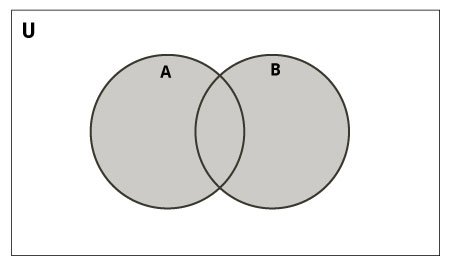
Phép kết hợp (union) 2 Set sẽ tạo ra một Set mới gồm tất cả các phần tử của cả 2 Set đó. Chúng ta có thể dùng toán tử | hoặc hàm union() để kết hợp 2 Set.
my_set1 = {1, 2, 3, 4, 5}
my_set2 = {4, 5, 6, 7, 8}
# Union using operator |
my_set3 = my_set1 | my_set2
print("Union using operator |:", my_set3)

# Union using union()
my_set4 = my_set1.union(my_set2)
print("Union using union():", my_set4)
Union using operator |: {1, 2, 3, 4, 5, 6, 7, 8}
Union using union(): {1, 2, 3, 4, 5, 6, 7, 8}
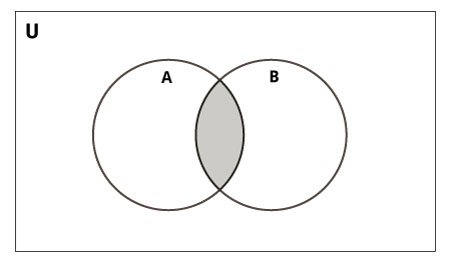
Phép giao (intersection) 2 Set sẽ tạo ra một Set mới chỉ gồm các phần tử thuộc cả 2 Set đó. Chúng ta có thể dùng toán tử & hoặc hàm intersection() để giao 2 Set.
my_set1 = {1, 2, 3, 4, 5}
my_set2 = {4, 5, 6, 7, 8}
# Intersection using operator &
my_set3 = my_set1 & my_set2
print("Intersection using operator &:", my_set3)

# Intersection using intersection()
my_set4 = my_set1.intersection(my_set2)
print("Intersection using intersection():", my_set4)
Intersection using operator &: {4, 5}
Intersection using intersection(): {4, 5}
Phép lấy phần khác nhau (difference) của 2 Set sẽ tạo ra một Set chỉ chứa các phần tử thuộc về một Set mà không thuộc về Set kia. Chúng ta có thể dùng toán tử – hoặc hàm difference() để giao 2 Set.
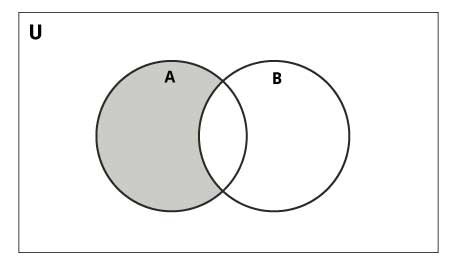
my_set1 = {1, 2, 3, 4, 5}
my_set2 = {4, 5, 6, 7, 8}
# Difference using operator -
my_set3 = my_set1 - my_set2
print("Difference using operator -:", my_set3)

# Difference using difference()
my_set4 = my_set1.difference(my_set2)
print("Difference using difference():", my_set4)
Difference using operator -: {1, 2, 3}
Difference using difference(): {1, 2, 3}
Phép lấy phần khác nhau đối xứng (symmetric difference) của 2 Set sẽ tạo ra một Set chứa các phần tử không thuộc cả 2 Set. Chúng ta có thể dùng toán tử ^ hoặc hàm symmetric_difference() để giao 2 Set.

my_set1 = {1, 2, 3, 4, 5}
my_set2 = {4, 5, 6, 7, 8}
# Symmetric Difference using operator ^
my_set3 = my_set1 ^ my_set2
print("Symmetric Difference using operator ^:", my_set3)

# Symmetric Difference using symmetric_difference()
my_set4 = my_set1.symmetric_difference(my_set2)
print("Symmetric Difference using symmetric_difference():", my_set4)
Symmetric Difference using operator ^: {1, 2, 3, 6, 7, 8}
Symmetric Difference using symmetric_difference(): {1, 2, 3, 6, 7, 8}
Python hỗ trợ nhiều method để giúp thao tác với Set dễ dàng hơn. Một số method thường sử dụng với Set được mô tả ở bảng bên dưới.
| Phương thức | Chức năng |
| add() | Thêm một phần tử vào set |
| clear() | Xóa tất cả phần tử từ set |
| copy() | Trả về một bản sao chép của set |
| difference() | Trả về một set chỉ chứa các phần tử thuộc về set 1 mà không thuộc set 2 |
| difference_update() | Xóa những phần tử của một set mà nằm trong một set khác |
| discard() | Xóa một phần tử cụ thể của set |
| intersection() | Trả về một set chỉ gồm các phần tử thuộc cả 2 set |
| intersection_update() | Xóa các phần tử của một set mà không nằm trong một set khác |
| isdisjoint() | Cho biết 2 set có các phần tử thuộc cả 2 set đó hay không |
| issubset() | Cho biết một set có nằm trong một set khác hay không |
| issuperset() | Cho biết một set có bao gồm một set khác hay không |
| pop() | Xóa một phần tử của set |
| remove() | Xóa một phần tử cụ thể của set |
| symmetric_difference() | Trả về một set chứa các phần tử vừa không thuộc set 1 vừa không thuộc set 2 |
| symmetric_difference_update() | Loại bỏ các phần tử thuộc cả 2 set ở set 1 rồi chèn các phần tử chỉ thuộc set 2 vào set 1 |
| union() | Trả về một set bao gồm tất cả các phần tử của 2 set |
| update() | Thêm tất cả phần tử của set 2 mà không thuộc set 1 vào cho set 1 |
my_set1 = {'John', 'Marry', 'Henry'}
my_set2 = {'Kane', 'Cris', 'John'}

# add()
my_set1.add('Son')
print("add my_set1:", my_set1)

# clear()
my_set1.clear()
print("clear my_set1:", my_set1)

# copy()
my_set_copy = my_set2.copy()
print("copy my_set2:", my_set_copy)

# isdisjoint()
my_set1 = {'John', 'Marry', 'Henry'}
my_set2 = {'Kane', 'Cris', 'John'}
print("my_set1 havenot a intersection with my_set2?", my_set1.isdisjoint(my_set2))
my_set1 = {'John', 'Marry', 'Henry'}
my_set2 = {'Kane', 'Cris', 'Son'}
print("my_set1 havenot a intersection with my_set2?", my_set1.isdisjoint(my_set2))

# update()
my_set1.update(my_set2)
print("update my_set1:", my_set1)
add my_set1: {'Marry', 'Henry', 'Son', 'John'}
clear my_set1: set()
copy my_set2: {'Kane', 'Cris', 'John'}
my_set1 havenot a intersection with my_set2? False
my_set1 havenot a intersection with my_set2? True
update my_set1: {'Kane', 'Henry', 'John', 'Marry', 'Cris', 'Son'}
1. Iterator interface trong Java Iterator interface của Java collections framework cho phép chúng ta truy...
1. Khai báo biến (variable) trong Java Một biến (variable) sẽ được cấp phát một vùng...
1. Hàm print_r() trong PHP Hàm print_r() trong PHP có chức năng in thông tin của...